
Personal Growth
Protocol: Trust the Process
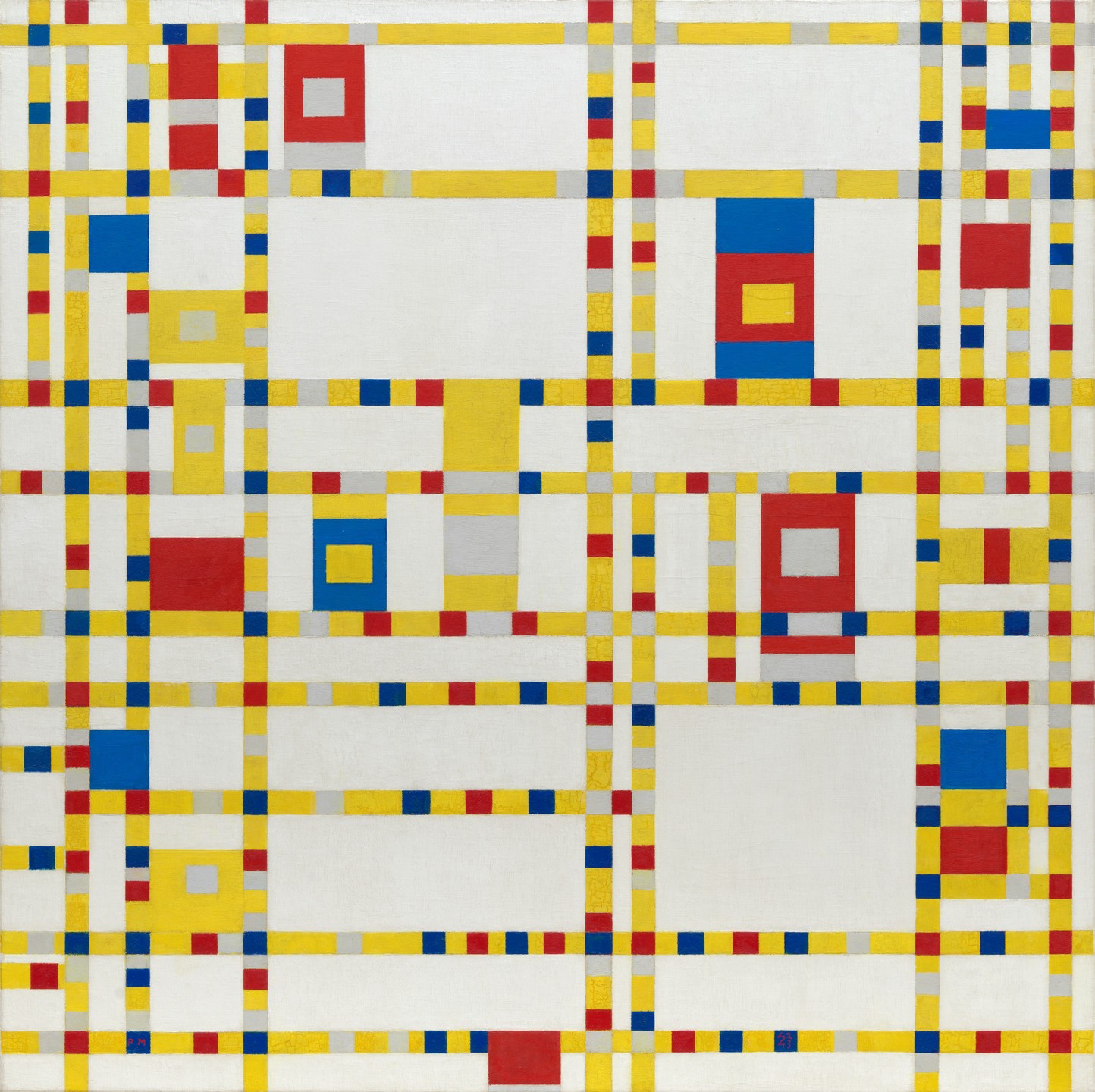
“Broadway Boogie Woogie.” - Piet Mondrian. 1942–43. Oil on canvas. The Museum of Modern Art, New York.
How Forum protocols such as equal talk time, reflection, and structured explorations build trust, psychological safety, and deeper conversations in KA Forums.
“The quality of a decision is not determined by the outcome, but by the quality of the process that led to it.” - Annie Duke, Thinking in Bets
In meeting four of our Key Associate Forum experience, we show this painting to spark a conversation about Forum Protocol. Piet Mondrian painted Broadway Boogie Woogie in 1942–43. He had just fled war-torn Europe and settled in New York during World War II. His earlier work in the De Stijl movement sought universal order through strict grids and primary colors, a response to the chaos of modern life. In New York, the city’s energy and jazz, especially boogie-woogie, loosened his system: the rigid black lines dissolved into pulsing colored blocks, turning structure into rhythm. At the same time, modern art was moving from representational order toward abstraction and systems, with artists exploring geometry, grids, and underlying structures as a way to create meaning in a rapidly changing world.
Forum meetings are unusual. They can feel highly structured, especially at first. But the structure can produce some of the most authentic and emotional conversations many of us have ever had. Generations of YPOers and EOers developed Forum protocols over many decades. They reward examination and each has an interesting “why,” sometimes bolstered by research and the “science” of Forum. Let’s examine a few protocols now:
Equal Talk Time
Also known as “turn-taking,” many researchers call this a main driver of psychological safety, which is one of the clearest predictors of team performance. In short: we feel heard. See this landmark study by MIT and Carnegie Mellon, and recent update by Google.
Norming
Every group has norms and Forum’s are deliberate. Confidentiality and commitment, for example, build trust. One of the most often cited meta-studies of all the research on how trust levels predict team performance is De Jong, B. A., Dirks, K. T., & Gillespie, N. (2016). Trust and Team Performance: A Meta-Analysis of Main Effects, Moderators, and Covariates which actually quantifies the impact. Amy Edmundson has been writing about this for years, as has Paul Zak and many others.
Reflection
If you talk during thinking time, you throw off a Forummate who needs quiet to gather thoughts. Reflection leads to more cogent shares and better listening. This is especially pronounced for introverts. A conversation with Susan Cain, author of “Quiet: The Power of Introverts in a World That Can't Stop Talking” led us to enforce this protocol in all our Forum meetings.
U-Shape
The agenda itself has a beginning, middle and end. Meetings are like sleep cycles. Music, breathing, clearing, and openers speed up the shift out of the day day-to-day and into a powerful starting mood. This helps, especially when meetings are in the middle of an office-day. Ending by reviewing take-aways stops the forgetting, as neuroscientists say, sealing in more of the meeting’s value. The middle: 5% moments and the Exploration then feel like a flow-state.
Explorations
This protocol reinforces the most powerful skills in communication: listening, questions, and stories. First, the presenter just talks and we listen. Then, instead of solving the problem with advice, the Forum and the presenter deepen their understanding through questions. Finally, we share “clean” first-hand experiences as highly engaging stories.
And More …
There are more elements that we could discuss, which we'll follow up on. But for now, we've covered the basics. Forum is a practice. When we respect the process, we improve as Forummates and as Forums. But I can personally attest to the impact of bringing relevant protocols from Forum into team meetings. I continually use meeting openers, equal talktime “rounds,” and even structured explorations, while recognizing that teams working on common goals together are different than Forums, optimizing for each individual’s success.
The more you practice these protocols the more they fade into the background and the structure feels organic. One of my mentors was a martial artist and chess champion named Josh Waitzkin, whose book, “The Art of Learning”, is my favorite book about how to learn. Josh tells stories about how structure scaffolds early learning, but then melts away into the background. I remember his image of a beginner martial artist using both arms and their full body to block; a master can unlock the same mechanics with the flick of a wrist. Forum protocols eventually become second nature, and unleash power with little effort. But it takes both practice and understanding.